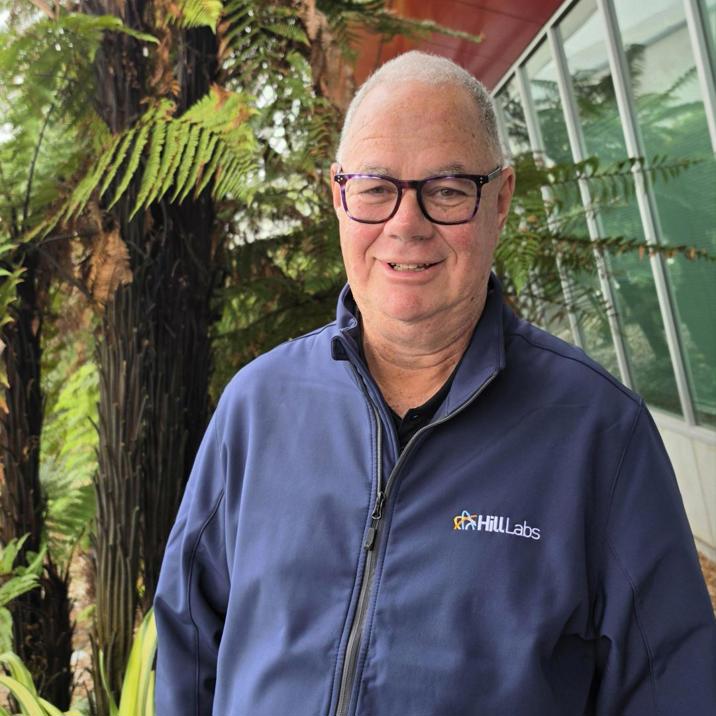
Staff Profile: Paul Sweetman - Supporting Safer Food Systems
Name: Paul Sweetman
Role: RMP Auditor – Hill Labs
Qualifications: Bachelor of Agricultural Economics
Dairy Manufacturing Certificate
HACCP
RMP awareness - Dairy and Honey
ISO 22000 Food Safety Lead Auditor
Can you describe your current role and responsibilities at Hill Labs?
I work as a Senior Verifier at Hill Labs, carrying out audits and assessments to help confirm that food businesses are meeting regulatory and market requirements. My role involves reviewing documented systems, assessing on-site practices, identifying areas for improvement, and helping ensure operators are producing safe and compliant products. A key part of the job is working with clients in a practical way, so they understand both the requirements and how to meet them effectively.
What does your role as a Senior Verifier involve on a day‑to‑day basis?
Day to day, my work involves planning and conducting audits, reviewing records and procedures, checking that businesses are operating in line with their Risk Management Programme requirements, and documenting findings clearly. I spend time both on-site with clients and completing follow-up reporting. The role also involves staying across changing requirements, answering client questions, and applying a consistent, risk-based approach to verification and compliance.
What attracted you to a career in RMP auditing and compliance?
What attracted me to this work was the opportunity to combine my strong practical industry knowledge with problem-solving and regulatory understanding. I enjoy work that has a clear purpose, and food safety and compliance are areas where good systems really matter. Auditing also gives me the chance to work with a wide range of businesses and help them improve in a way that supports both compliance and product integrity.
What skills or attributes are most important in this role?
The most important skills in this role are attention to detail, strong communication, sound judgement, and the ability to stay objective. You also need to be practical and able to work well with people, because auditing is not just about identifying issues, it’s about explaining requirements clearly and helping businesses understand what good compliance looks like. Organisation, consistency, and a solid understanding of risk are also very important.
What do you find most challenging about auditing, and what do you find most rewarding?
One of the most challenging parts of auditing is balancing the need for consistency and regulatory rigour with the realities of how different businesses operate. Every site is different, so you need to apply the requirements fairly while still taking a practical approach. The most rewarding part is seeing businesses strengthen their systems and improve their understanding of food safety.
What value do you think independent auditing provides to businesses you work with?
Independent auditing provides an objective view of how well a business’s systems are working in practice. It helps identify gaps, confirm where things are being done well, and build confidence for both the business and its customers or regulators. Good auditing adds value because it supports continuous improvement, strengthens compliance, and helps businesses be better prepared for market and regulatory expectations.
How do you stay up to date with regulatory changes and industry requirements?
I stay up to date by keeping across regulatory updates, industry communications, guidance material, and ongoing discussions within the sector. I also learn a lot through practical audit experience and through working with colleagues and clients across different product areas. Staying current is important because requirements evolve, and auditors need to be able to apply changes accurately and consistently.
What are the top food safety considerations for honey producers?
For honey producers, some of the key food safety considerations include traceability, hygiene and handling controls, equipment cleanliness, pest management, and ensuring product integrity throughout extraction, processing, packing, and storage. It’s also important to manage risks around residues, contamination, and labelling compliance, and to have systems that support both domestic and export requirements. Strong record-keeping and clear process controls are essential.
Which markets and products do we help NZ honey producers export?
We help New Zealand honey producers and bee product operators meet the requirements for domestic and international markets by supporting verification, certification, and export readiness across the supply chain. This includes working with beekeepers, packers, processors, and exporters, and supporting the export of honey and other bee products in line with New Zealand legislative requirements and overseas market expectations.
What advice would you give to someone considering a career in auditing or food safety compliance?
I’d recommend building a strong understanding of both practical operations and the regulatory side of the industry. Good auditors need curiosity, attention to detail, exceptional listening skills, and the confidence to ask questions while remaining fair and constructive. It also helps to be a strong communicator, because a big part of the role is explaining expectations clearly and building trust with clients. If you enjoy continuous learning and work that makes a real difference, it’s a very worthwhile field.