Organic Farming Soil Testing

Organic Farming Soil Testing

Like routine farm systems, organically farmed soils are tested to measure the soil quality & nutrient levels and can also be tested for contaminants.

Organic Farmers must check to see that their land and, in some cases, the food they produce do not exceed the guideline levels set by the certifying organisation. The test results also provide ongoing feedback that their practices are effective. Soil nutrient and organic matter testing is a requirement for approved organic farming and growing systems. Organic producers aim to maintain soil nutrient status, maintain or improve soil physical quality and manage the soil environment to achieve efficient utilization of soil nutrients.

At Hill Labs we offer a range of accredited tests depending on our clients requirements. One of the primary factors that an organic farmer must consider is the land use history. For example if the land was previously used intensively for horticulture, a multi-residue test is generally required due to the wide range of chemicals that potentially could have been used. For land used for pastoral farming, a DDT test is required due to the widespread use some 40 to 50 years ago of the persistent DDT insecticide. Laboratory testing is only a part of obtaining organic certification, which ensures New Zealand can provide adequate assurances to the buyers that they are receiving genuine organic produce. A useful set of tests for assessing soil health would be the Basic Soil profile, Sulphur profile, Anion Storage Capacity, Organic Soil Profile and Hot Water Extractable Carbon tests. A Soil Health package including all of these tests has been created to make this easy to select. Testing for heavy metal contaminants such as total cadmium and total copper may be important in some instances. Soil tests measure only a fraction of the total pool of nutrients available to plants (immediate and medium term) so it is important that standard New Zealand methods of sampling and soil analysis are used so the results are meaningful and can be related to plant growth under New Zealand conditions.  
Organic Soil Testing

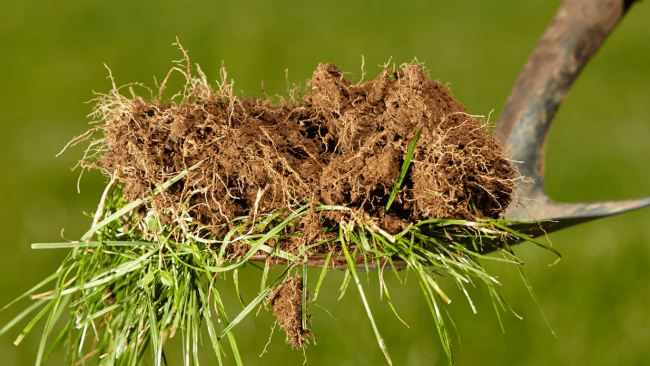
The Organic Soil Profile is offered in response to the growing demand for soil tests to provide more than just the adequacy/deficiency status of selected key nutrients. Growing concern about the biological health of the soil and sustainable farming practices has resulted in offering this new profile, which is intended to shed light on these important soil properties. For agricultural and horticultural production systems, soil quality is a combination of physical properties such as soil texture, chemical properties such as pH and mineral nutrient content, and biological properties including living biomass and mineralisable N. All of these properties are profoundly influenced by the soil organic matter. For a more complete list of our soil testing options and the associated test details, download the related technical notes from our resources page. 

Pesticide Residue Testing

Pesticides are a valuable tool used in most agricultural systems, however their accumulation and distribution into soils can have detrimental effects. To help understand pesticide contamination, Hill Labs has developed an extensive array of IANZ accredited test options. 

Heavy Metal Testing

Soil may become contaminated for many reasons. Many soil contaminants, such as heavy metals remain in biologically accessible states for extended periods of time, which means that they can bio-accumulate in fruits, vegetables and potentially humans. As such testing soil, water, fruits and vegetables for heavy metals is commonplace. Hill Labs has an extensive suite of heavy metal tests for use on everything from soil through to honey. Our technical notes will help guide you through what test may be right for your needs.

DDT Testing

DDT is an Organochlorine pesticide which was applied in pelletised form to agricultural pastures to control grass grub from the late 1940's until 1970, when it was banned in New Zealand. Concern over the environmental persistence of DDT, alleged carcinogenicity and observed bio-accumulation and magnification in the food chain led to its ban for agricultural use worldwide. Dairy cows ingest DDT contaminated soil during grazing. In the cow's stomach, DDT is removed from the soil and converted into DDE before accumulating in fatty tissue and milk. In addition to human health concerns over DDT and its isomers, farms producing milk with elevated DDT levels suffer financial penalties and for this reason it is imperative that new farms are tested for DDT prior to conversion to Dairy. To order a DDT soil test download a copy of our sample submission form and send us your sample.

Latest Stories

Connecting with Farmers and Growers at Fieldays

We are looking forward to our 28th year at Fieldays this year, connecting with farmers, growers and industry professionals from across New Zealand. Events like Fieldays are a great opportunity for our team to get out from behind the desk, hear directly from the sector, and continue building strong relationships within the agricultural community.
  21 May 2026

A Record-breaking Day for Kiwifruit Samples

Hill Labs is a key service provider to Zespri and the kiwifruit industry, providing time-critical sampling and maturity testing services seven days a week. Zespri has strict maturity criteria that all orchards must pass before harvest to ensure consumers receive the best quality kiwifruit expected from the Zespri brand.
  21 May 2026

Introducing Dairy Commodity Product Testing and MALDI-TOF Identification

Customer needs continue to evolve - particularly across dairy commodity testing and microbiological identification - and over the past year, these topics have become increasingly common in conversations with our clients. In response, we have expanded our laboratory scope to include ISO reference method testing for dairy commodity products, alongside the introduction of MALDI-TOF identification technology.
  21 May 2026

What our customers have to say

"We've always found them to be responsive in getting results back and giving advice on problems we might be facing."

Andrew Hutchinson, Technical Manager, Turners & Growers

"We strongly recommend Hill Labs as a sound testing service provider to the honey industry."

Nick Walker, Technical Manager, Egmont Honey

"Their sample registration system has made things simple and seamless - collect, scan and send!"

Mathew Bannister, Compliance Manager, First Fresh New Zealand

Accreditations

As a New Zealand accredited laboratory by International Accreditation New Zealand (IANZ), Hill Labs' commitment to quality is tantamount to our overall operating philosophy. We pride ourselves on the quality of our work.